
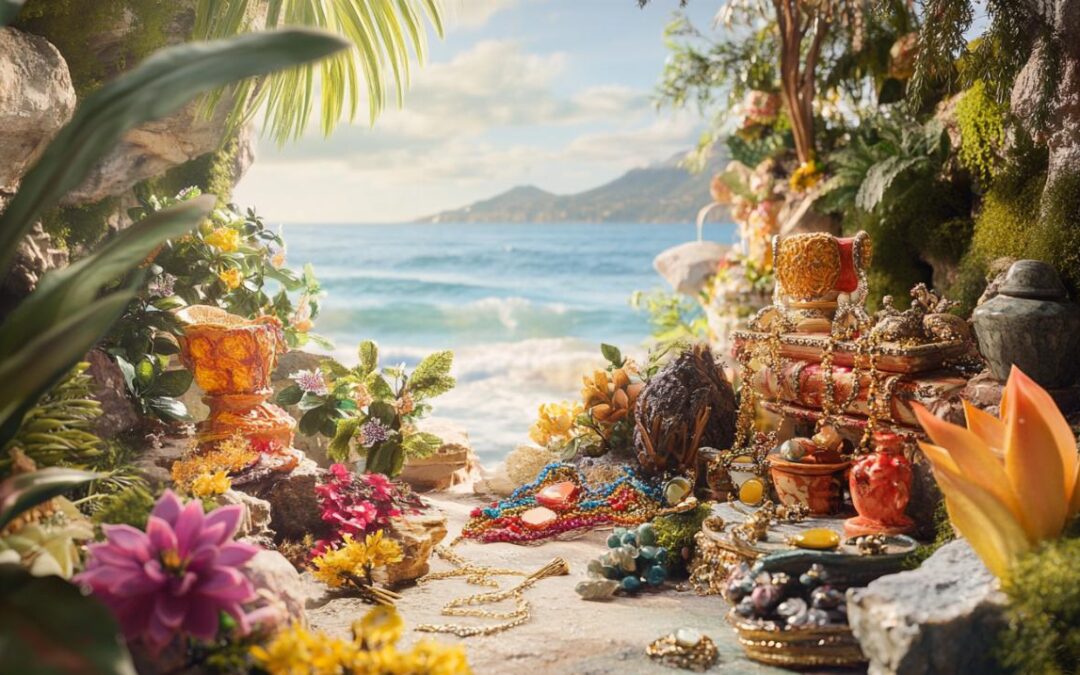
The sun-kissed shores and verdant hillsides of the Mediterranean have long captured the imagination of artists, designers, and nature enthusiasts alike. Today, a growing movement is bridging the gap between the region's extraordinary biodiversity and the world of ethical fashion, creating opportunities for consumers to express their love for nature whilst supporting conservation and sustainable practices. This intersection of environmental appreciation and conscious consumption offers a fresh perspective on how we adorn ourselves and furnish our lives, transforming everyday purchases into meaningful statements about our values and our connection to the natural world.
The Rich Biodiversity of Mediterranean Ecosystems and Their Influence on Sustainable Design
The Mediterranean basin is home to an astonishing array of plant and animal life, with thousands of endemic species found nowhere else on Earth. This unique ecological tapestry has become a wellspring of inspiration for designers committed to creating eco-friendly jewellery and accessories. The delicate petals of wildflowers, the intricate patterns on butterfly wings, and the graceful forms of marine creatures all find their way into contemporary pieces that celebrate the beauty of fauna whilst championing wildlife welfare. Designers draw upon centuries of traditional craftsmanship, reimagining ancient techniques through the lens of modern sustainability to produce items that honour both cultural heritage and environmental responsibility.
Endemic Species as Inspiration for Eco-Conscious Jewellery Collections
Many artisans have turned to the concept of animal totems as a central theme in their sustainable jewellery lines. These spirit animal representations serve not merely as decorative elements but as meaningful symbols connecting wearers to the natural world. One particularly innovative approach involves inviting customers to take a quiz to discover their personal spirit animal before selecting a piece, creating a deeper emotional bond between the individual and the wildlife they choose to represent. This personalisation goes beyond mere aesthetics, fostering a sense of stewardship for the creatures and habitats depicted in each carefully crafted item. mediterranean flora and fauna observation has informed many of these designs, with creators spending time studying the movements and characteristics of local species to capture their essence authentically.
The materials chosen for these collections reflect a commitment to environmental conservation that extends far beyond surface-level marketing claims. Recycled materials form the foundation of many pieces, with cords fashioned from recycled polyester and packaging made from natural jute fibres. This thoughtful approach to material selection demonstrates how beauty and sustainability can coexist harmoniously. Each purchase often comes with a seed card containing wildflower seeds, allowing customers to contribute directly to local biodiversity by planting native species in their own gardens. Such initiatives transform a simple transaction into an active participation in ecological restoration, bridging the gap between consumer culture and environmental action.
Traditional mediterranean craftsmanship meets modern ethical fashion
The creation of sustainable fashion and accessories frequently takes place in small family workshops, where generations of knowledge meet contemporary ethical standards. Near Marseille, skilled artisans produce jewellery that embodies this fusion of heritage and innovation. These family-run operations prioritise quality over quantity, ensuring that each piece receives individual attention and care. The slower pace of production in such settings naturally aligns with sustainable principles, standing in stark contrast to the wasteful practices of fast fashion industries. This model proves that it is entirely possible to maintain traditional craftsmanship whilst embracing eco-friendly practices and fair labour standards.
Beyond jewellery, the Mediterranean tradition of sustainable design extends to furniture and home goods. The recent emphasis on ergonomic furniture and sustainable furniture reflects a broader understanding that conscious consumption applies to every aspect of our domestic lives. Designers are incorporating natural materials, time-tested joinery techniques, and finishes derived from plant-based sources to create pieces that are both functional and environmentally responsible. This holistic approach to ethical design demonstrates that the principles guiding conscious jewellery purchases can and should inform all our buying decisions, from the smallest accessory to the largest piece of home furnishing.
Making mindful purchasing decisions: supporting mediterranean-inspired sustainable brands
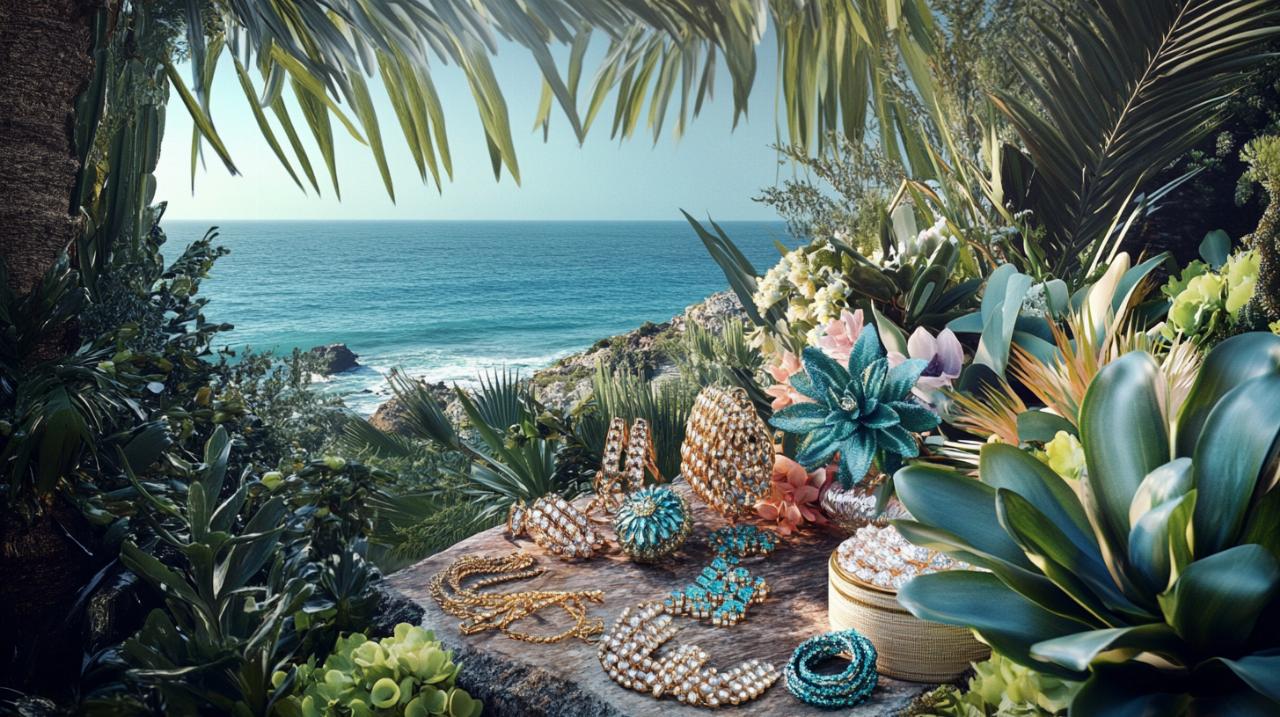
Navigating the world of online shopping and e-commerce can be overwhelming, particularly when attempting to distinguish genuinely sustainable brands from those merely capitalising on green marketing trends. Developing a critical eye for authentic eco-friendly practices requires understanding what certifications and materials truly matter. Shoppers seeking to support wildlife conservation through their purchases should look for transparent information about supply chains, material sourcing, and the specific animal welfare organisations that brands support. Many responsible companies now provide detailed shopping guides and product comparison tools on their websites, enabling customers to make informed decisions based on clear criteria rather than vague sustainability claims.
Identifying Authentic Eco-Friendly Materials and Certifications in Mediterranean-Themed Accessories
Genuine commitment to sustainability is evident in the details of how products are made and sold. Brands that prioritise environmental responsibility often go to considerable lengths to document their practices, offering customer service teams trained to answer detailed questions about materials and production methods. When exploring accessories inspired by Mediterranean nature, look for specific mentions of recycled materials, ethical labour practices, and partnerships with conservation groups. The presence of field guides and books about wildlife survey and monitoring in a company's product range can indicate a deeper engagement with environmental issues beyond mere commercial interest. Some retailers even offer specialised equipment for wildlife survey, demonstrating their support for scientific research and conservation efforts.
Transparency regarding charitable donations provides another important indicator of authentic commitment. Companies that openly share how much they have contributed to animal welfare organisations and conservation initiatives demonstrate accountability that goes beyond profit motives. For instance, businesses that have donated substantial sums, such as over twenty-three thousand pounds including six thousand in a single year, show a meaningful dedication to supporting the causes their products celebrate. This level of financial commitment to charity work represents a genuine partnership with conservation rather than superficial association. Customers can verify these claims through promotional codes and special offers that directly benefit wildlife protection programmes, creating a direct link between purchasing power and positive environmental impact.
The Impact of Conscious Consumption on Mediterranean Conservation Efforts
Every mindful purchase represents a vote for the kind of world we wish to inhabit. When consumers choose jewellery and fashion items connected to Mediterranean wildlife, they participate in a larger movement that values beauty, wellness, and ecological health as interconnected goals. The cumulative effect of thousands of conscious buying decisions creates market pressure that encourages more brands to adopt sustainable practices. This shift extends beyond individual products to influence entire sectors, from the trends shaping seasonal collections to the standards expected in home delivery and packaging. The ripple effects of ethical consumerism touch everything from how gifts are selected to the expectations customers bring to their interactions with brands across all categories.
Supporting Mediterranean-inspired sustainable brands often means engaging with smaller producers who may lack the marketing budgets of major corporations but compensate through authenticity and quality. These businesses frequently offer buying advice tailored to individual needs rather than pushing unnecessary consumption. Their customer service approach tends to emphasise education and long-term satisfaction over quick sales, creating relationships built on trust and shared values. The availability of resources such as books about regional ecology and good reads on conservation topics further enriches the customer experience, transforming shopping from a purely transactional activity into an opportunity for learning and growth. Some companies even maintain phone lines for direct contact, offering a personal touch increasingly rare in the digital marketplace.
The intersection of fashion, accessories, and environmental stewardship represents more than a passing trend. It reflects a fundamental reconsideration of our relationship with the natural world and our responsibility as consumers. By choosing products that honour Mediterranean flora and fauna whilst supporting conservation through transparent practices and charitable donations, we can adorn ourselves beautifully whilst contributing to the preservation of the ecosystems that inspire us. This conscious approach to consumption transforms every purchase into an act of hope and commitment, weaving together personal style, cultural appreciation, and environmental action into a single meaningful choice.